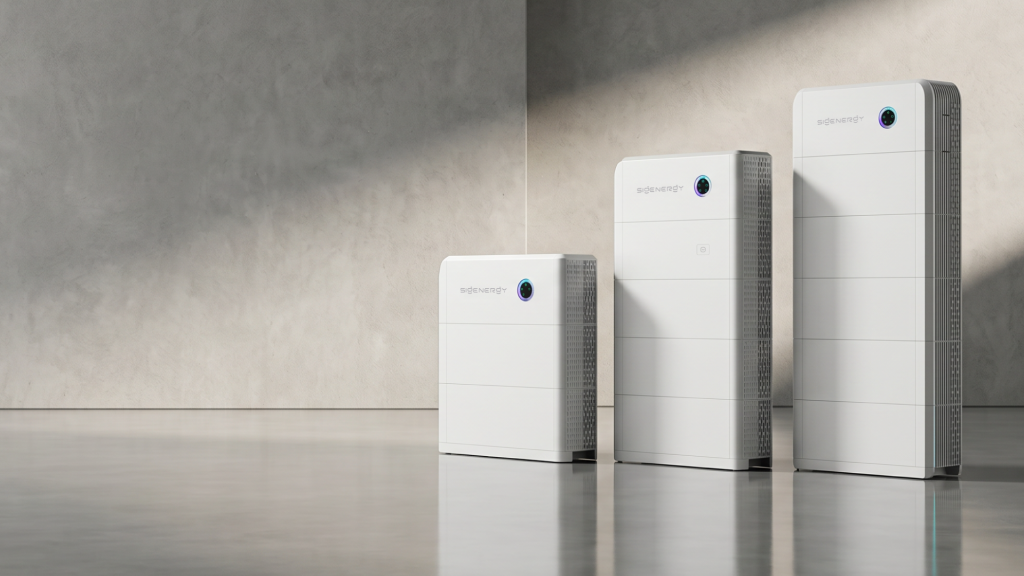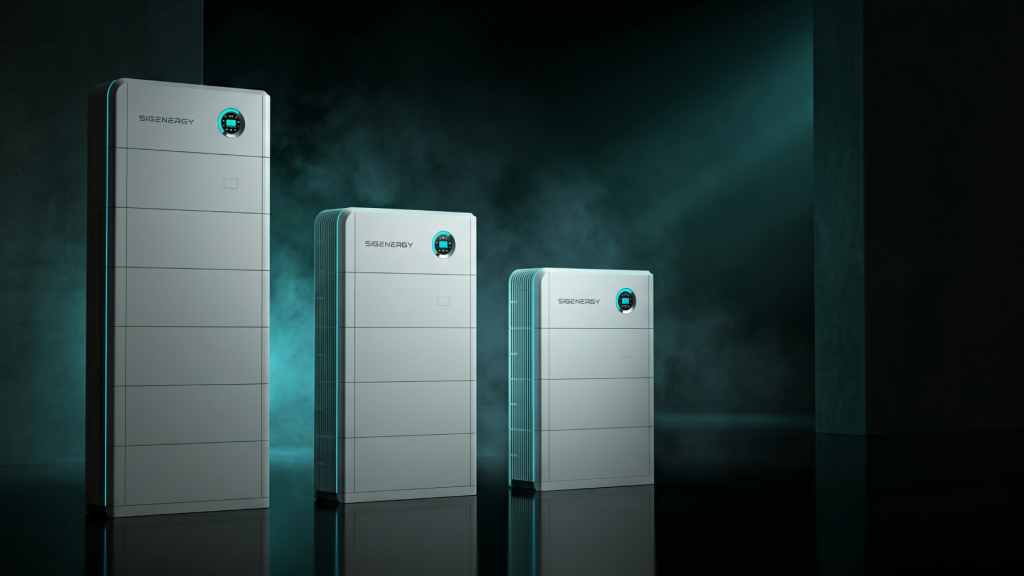

You’ve decided to buy a new solar battery to save on energy bills, or you’re likely planning on upgrading your existing one. In either case, a common concern could be the air conditioner.
Temperatures across Australia are rising, with Melbourne and Brisbane both reporting higher average temperatures by up to 2.6 °C in 2025.
Harnessing solar power to cool down your home sounds like a great idea in this situation. After all, it accounts for the highest overnight energy load in the typical household.
So, can your solar battery power your air conditioner throughout the night?
Yes, but it ultimately comes down to factors such as climate, battery size, air conditioner capacity, and usage.
How Much Power Does an Air Conditioner Actually Use Overnight?
Depending on the size of your split-system air conditioner, its overnight power usage will vary. Larger air conditioners draw greater power compared to smaller ones. The power requirement also depends on the area that needs to be cooled.
A typical 5kW air conditioner uses anywhere between 1.5 to 2.5kWh every hour. Likewise, a 2.5kW AC may need about 0.8 to 1kWh per hour. Superior ducting, insulation, and inverter efficiency help reduce the consumption.
The temperature settings matter just as much. Setting the temperature between 25 – 27 °C can reduce your energy consumption by 5-10%.
So over the course of 8 hours at night, the 5kW air conditioner will consume anywhere between 15 and 20 kWh.
Battery Size Matters: What 10kWh vs 15kWh Really Means
The battery size indicates its storage capacity, and not the output power per hour. Theoretically, if you were to draw 1kWh of power from a 10kWh battery every hour, it would last for 10 hours. However, power consumption is rarely linear, so real-world figures would be a little lower.
What size solar battery do you need then? Let’s understand with examples.
At the lower end, a 5kW air conditioner would need about 15kWh of power to work through the night. Along with that, you’d need to account for the basic household loads like the refrigerator and night lights, which can range from 0.3kW to 1kW.
On the contrary, a 2.5kW air conditioner will need about 6.4 to 8kWh of power through the night.
Let’s compare how long a 10kWh, 15kWh, and 20kWh battery would work with these scenarios.
| AC capacity | How long will the battery last? | ||
| 10kWh | 15kWh | 20kWh | |
| 2.5kW | 5-8 hours | 7-12 hours | 10-18 hours |
| 5kW | 3-5 hours | 4-8 hours | 6-11 hours |
Based on your usage and AC capacity, the 15 or 20kWh battery could extend the overall runtime of your air conditioner and household loads. It’s no surprise, then, that the average battery size installed across Australia is 18.2kWh.
Brisbane vs Melbourne: Climate Makes a Difference
Your city’s climate influences the air conditioner usage. Brisbane, for instance, is known to be hot and humid with a mean daily maximum temperature of 30.4 °C in the summer of 2025.
On the other hand, Melbourne is a little cooler with the mercury at 27.1 °C. Sydney falls in a similar range.
Hotter temperatures mean the air conditioner has to work harder and longer to cool your home, which leads to greater power consumption.
A 15kW solar power battery, for example, can run a 5kW AC in Brisbane for 5 hours, but could power the same air conditioner in Melbourne for 7 hours. It’s not surprising then that the average battery size in Queensland is 19.8kWh as compared to 17kWh in Victoria.
In a nutshell, if you’re in a hotter location, you might need to buy a larger battery than in a relatively cooler city.
Other Factors That Influence Overnight Performance
Summers bring in longer days, which means your household appliances will be able to run on live solar generation until late in the day.
High-yield evening generation can also act as a buffer, allowing your home to run on live solar until well after sunset. As a result, the battery will only kick in much later at night and will thus need to run for fewer hours.
The way you use electricity matters too. If you’re leaving heavy energy consumption tasks, like dishwashing, laundry, and electric cooking, for later in the day, your battery could drain out quickly.
Likewise, if you tend to keep lights on even when you’re not in the room, your energy consumption could rise. Phantom loads, like TVs on standby and routers, can contribute to power usage too.
Making a few tweaks to your energy usage profile can greatly prolong your battery life.
Choosing the Right Battery for Your Lifestyle
Solar batteries of all sizes can power your air conditioners, but whether they can do so throughout the night (or not), depends on their capacity.
A solar battery that could work for your neighbour may not be the right fit for you. And that’s why it’s necessary to find a battery that suits your usage patterns, air conditioner rating, insulation, and even your solar power generation capacity.
At Think Renewable, we specialise in all things solar. You get both virtual and in-home consultations, high-quality products, and an internal team of accredited installers across Australia.
All our installations also come with a 10-year workmanship warranty, plus complimentary monitoring and billing checks. We’ve installed over 7,000 solar systems and helped the average customer save more than $40,000.
Contact us now to get a tailored battery assessment based on your home, location, and unique needs and start saving on energy bills.