








Australia is the world’s leader in rooftop solar adoption, with over 4 million households having installed rooftop solar systems already.
But many homes still don’t have the option to install solar. Also, with the widespread adoption, there’s a new challenge: midday solar power generation is often more than what the grid can absorb.
That’s where the Solar Sharer scheme steps in. Starting from July 2026, eligible households in New South Wales, South Australia, and South-East Queensland will receive free electricity during a three-hour midday window.
The programme intends to help Australians benefit from excess daytime solar generation, even if they don’t own rooftop solar systems.
Let’s take a closer look at the scheme to understand its benefits, potential limitations, and future prospects.
What is the Solar Sharer Scheme and How Does it Work?
The Solar Sharer scheme aims to provide eligible Australian households with free grid electricity during a designated three-hour midday window when solar generation is at its peak.
Households don’t need to own solar panels or property to participate in the programme. The idea is to make solar power more accessible.
For the current financial year, the three-hour free electricity window will be from 11 am to 2 pm in NSW and South-East Queensland and 12 pm to 3 pm in South Australia.
The Australian Energy Regulator (AER) chose these periods based on when solar production is highest, and network and wholesale costs are lowest.
Electricity retailers will apply the free electricity window within participating plans. Eligibility and conditions may vary, though.
At the outset, the free midday electricity scheme will be available to households with smart meters in NSW, South Australia, and South-East Queensland. Also, you will have to actively opt in for the programme and adjust your electricity usage to benefit from it.
Who Benefits Most from the Solar Sharer Scheme?
Renters and apartment dwellers don’t have the option to install rooftop solar systems. But with the Solar Sharer scheme in Australia, these households can finally access the cost-saving benefits of rooftop solar.
Similarly, households with high-energy appliances, such as water heaters, EVs, pool pumps, and dishwashers, can reduce their electricity bills by using them during the free window. The more flexible a household can be with its energy usage, the greater the potential savings.
Why Home Batteries Could Become Even More Valuable
While the Solar Sharer scheme promises cost savings, its benefits will largely depend on how households adjust their energy usage. For instance, people who aren’t at home during the day may not be in a position to utilise the free electricity window.
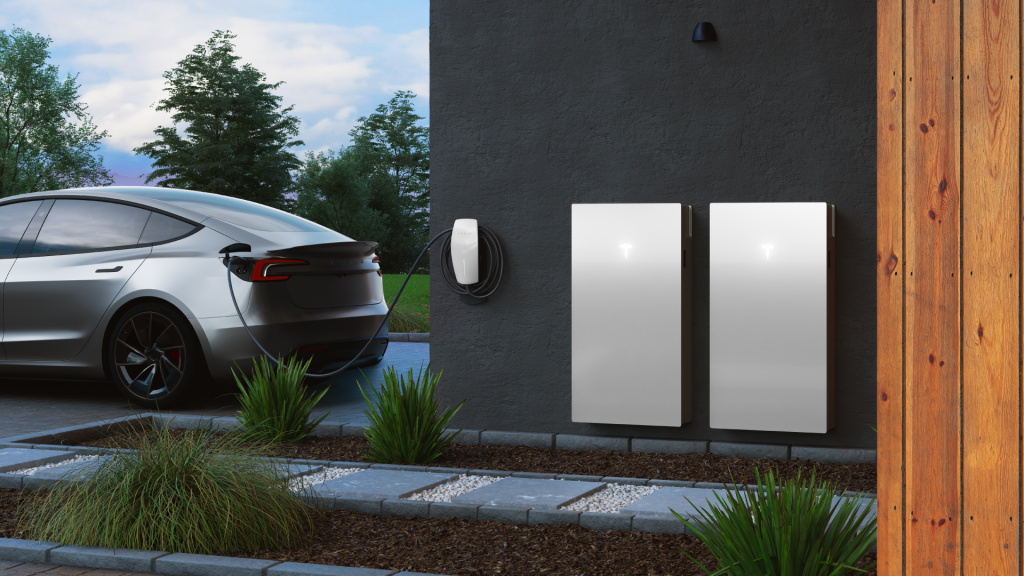
One way to work around this limitation is to pair the free midday electricity scheme with battery storage. You can charge your home batteries during the three-hour period and use the stored energy later to run power-hungry appliances.
It’s no surprise that between July and December 2025, Australian households bought more solar batteries than the previous four years combined. With the Solar Sharer scheme, more households will realise the benefits of battery storage in Australia and adopt it as a solution.
You can take things a step further with smart batteries that automatically charge during the free electricity period and power your home in the evening when energy demand peaks.
This approach helps reduce your reliance on high-priced electricity outside the midday window. In other words, you enjoy better energy independence and long-term savings.
The Catch: Understanding Electricity Pricing Outside the Free Window
The Solar Sharer scheme in Australia isn’t a win-win for everyone. The three-hour window can help households cut down energy bills, but electricity retailers will incur costs during this period. Some retailers may recover revenue by increasing rates outside the free midday period.
In other words, households could face higher charges during mornings, evenings, or other periods not covered by the free midday electricity scheme.
For existing solar consumers, it’s just as crucial to pay attention to feed-in tariffs. As more power is generated and consumed in the middle of the day, retailers may review how much they pay households for exporting surplus solar energy to the grid.
Instead of focusing solely on the free electricity window, you should compare energy plans carefully, evaluating usage rates, feed-in tariffs, and other conditions. The idea is to ensure that the “free electricity” benefit isn’t offset by higher overall costs.
How to Maximise Savings Under the Solar Sharer Scheme
The Solar Sharer scheme, while well-intended, doesn’t guarantee the same benefits to everyone. Whether you’re a homeowner, renter, or apartment dweller, it’s up to you to take suitable measures to get the most value from this programme.
Start by modifying your household’s energy consumption habits. Run high-energy appliances during the free electricity window to maximise cost savings.
Use smart home technology to schedule these operations. This way, activities like washing clothes and doing the dishes automatically happen during the free window without manual intervention. It allows you to take advantage of the Solar Sharer scheme even if you’re not at home.
It’s also a good idea to install smart solar batteries. You can program these systems to automatically charge during the free electricity window and power your home in the evening during peak energy demand.
Finally, keep in mind that retailers will structure Solar Sharer offers differently. When comparing plans, consider factors like electricity rates outside the free window, feed-in tariffs, and daily supply charges. Choose a retailer plan and battery setup that guarantees the best financial outcome.
What This Means for the Future of Renewable Energy in Australia
In 2025, renewable energy sources generated 43% of Australia’s electricity, up from 39% the year before. With traditional energy costs continuing to remain volatile, renewable energy adoption is expected to rise.
The Solar Sharer scheme reflects this shift. It signals the federal government’s focus on grid flexibility and shared renewable energy access.
The move encourages households to use electricity when solar power production is highest, helping balance the grid and efficiently utilising the available clean energy.
The federal government is already on its way to implement free electricity schemes in other parts of the country. For instance, under the Victorian Midday Power Saver programme, households in Victoria will enjoy a three-hour free power window from 1 October 2026.
As solar generation continues to increase nationwide, battery storage and smart energy management systems will become even more important.
For many Australians, the Solar Sharer scheme could be the first step towards a more flexible and technology-driven approach to energy use. As the country continues its transition to renewable energy, solutions that help households store, manage, and optimise electricity consumption will become integral to a future-ready energy strategy.
Free Electricity is Only Part of the Equation
The Solar Sharer scheme isn’t just about reducing energy costs. It presents Australian households with new and exciting opportunities to participate in the country’s transition to renewable energy. The incentive also serves as a way to change household energy usage patterns.
Households that shift most of their energy consumption to the free electricity window will be obvious winners. Choosing the right energy plan and smart home technology solutions is also crucial.
Equally important is the use of home battery units. They help you store free energy for later use during the evening peak.
At Think Renewable, we offer battery storage solutions that can help you make the most of Australia’s new free electricity scheme. Contact our team to discuss your requirements and get a quote.