








💡 What You Need to Know
- A larger solar battery is not always better; the right size depends on how and when your household uses energy.
- Battery capacity is measured in kWh, but usable capacity is usually slightly lower than the advertised figure.
- Evening and overnight energy use is one of the biggest factors in deciding how much battery capacity you actually need.
- Homes with EVs, frequent blackout concerns, future electrification plans or high overnight demand may benefit from a larger battery.
- Reviewing electricity bills, smart meter data, solar exports, tariffs and seasonal usage helps ensure the battery is sized around your home, not an average household.
When you set out to purchase a solar battery, you may hear that a bigger battery is always better.
A larger capacity means you can store more electricity and use it to power your house through the night.
But simplifying the calculation to this extent is incorrect.
The real factor to consider isn’t just how much energy your household consumes, but how it consumes it.
Unused battery capacity doesn’t automatically create value if your usage, the grid, and generation don’t support it.
Here’s how you can get your battery size right.
What Does Home Battery Capacity Mean?
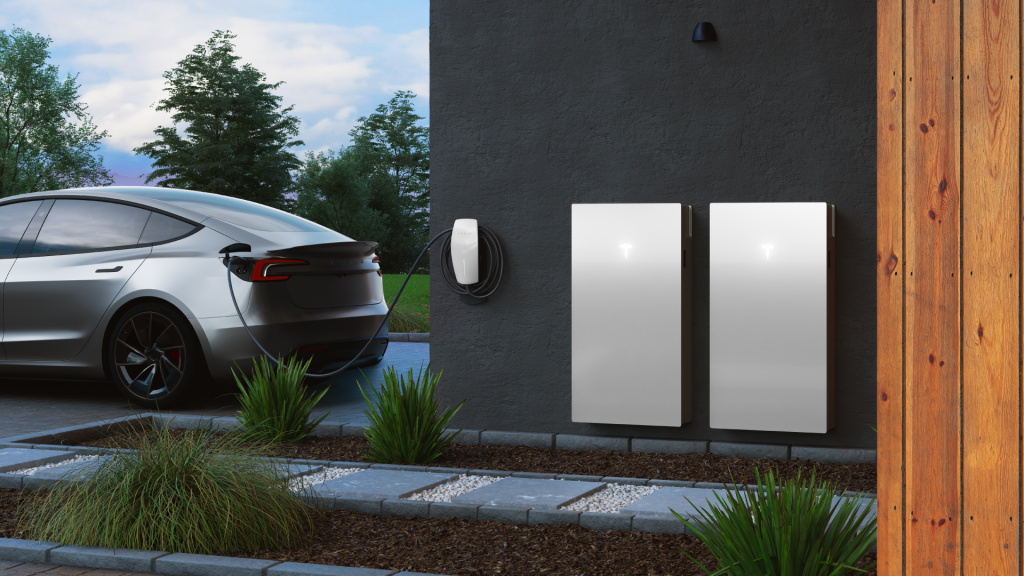
A solar battery’s capacity indicates how much power it can hold when fully charged, measured in kilowatt-hours (kWh).
This, however, is the nominal battery capacity. It’s the figure you see when purchasing it.
The actual usable capacity of the battery is typically lower than the nominal capacity, and it shows the amount of energy you can access for your use. You can find the usable capacity with depth of discharge, which indicates what percentage of a battery’s capacity is usable.
For instance, the Sigenergy 8kWh battery has a usable capacity of only 7.8kWh.
That said, don’t confuse the battery capacity with the power output, which is measured in kW. This figure shows you what your battery can power at once. The same Sigenergy battery’s power output is 4kW, meaning it can run four 1000-watt appliances at once.
There is No Single “Average” Australian Household
You might see several sources claiming the “average” Australian household uses 15-18kWh of power daily.
The truth is that the electricity usage varies drastically across different regions of the country. For instance, those living in brutal Queensland summers would need to use air conditioning more frequently than someone living in the cooler regions like Tasmania.
That’s why it’s best to consider the national average as a broad reference point.
Instead, your unique power usage is determined by the:
- Location
- Climate and season
- Household size and occupancy
- Types and number of heavy-duty appliances
- Electric vehicles (EVs)
- Air conditioning and pool pumps
Typically, a household with more occupants located in a hotter region will use more energy due to higher air conditioning needs.
How Daily Energy Habits Dictate Battery Use
Higher energy use doesn’t directly mean you’ll use your solar battery more. Your solar battery usage is dependent on your energy use pattern, which is all about how your power use is divided across the day.
Homes where energy demand peaks in the evening, once the solar generation falls, stand to benefit the most from a solar battery. That’s because they’ll be able to increase self-consumption by storing solar power in the afternoon and save on peak rates in the evening.
These households may need a large battery.
On the other hand, households that are occupied during the day and use heavy-duty appliances in the afternoon may have less surplus power left to charge the battery. The battery capacity can be lower in these cases.
In short, timing flexible appliances around solar-production hours and accounting for seasonal changes can affect how much battery capacity is needed overnight to run air conditioning and other appliances.
How Much of a Battery Will a Household Actually Use?
To calculate the ideal solar battery capacity your household needs, you need to first understand your average daily power consumption. Then, look at how much power is used after solar production stops.
That’s typically the amount of energy you’ll consume from the battery every day.
But how much of the battery discharges depends on many other factors:
- Overcast days that reduce solar power production.
- Reserve power storage settings in the battery.
- Power backup requirements.
- System controls.
- Usable battery capacity.
For example, a battery may not charge completely on an overcast day. In such a situation, you may get little power from it even if the battery is large.
Likewise, if your battery is too large, you might not be able to charge it fully, leading to higher upfront costs and degraded battery value for the unused storage.
When a Larger Battery May Make Sense
Getting your battery size right ensures that you don’t end up in a situation where the capacity isn’t enough to cover your usage or too large to be utilised meaningfully.
But when should you opt for a large battery?
Purchasing a large battery makes sense when your solar setup generates enough power to charge it fully. Additionally, you should have substantial evening or overnight power consumption to use the stored power.
If you have an electric vehicle, a larger battery can help you charge it through the night without relying on the grid.
Similarly, if you’re in a region that experiences frequent blackouts and require power backup, a larger battery makes sense.
And if you’re planning to expand your solar setup in the future and forecast growing power usage, a bigger battery sets you up for the next decade.
The Data to Review Before Choosing Capacity
Before deciding on your solar battery’s capacity, it’s important to review your power generation and usage.
It helps you get your battery size right.
Dive into your electricity bills and, if available, smart meter data to identify your average power consumption. It’ll also give you insight into power usage trends across morning, afternoon, evening, and overnight.
Also, take a look at how much solar energy you’ve exported to the grid.
It’s also necessary to consider your current tariff structure and seasonal changes to solar power production. For instance, don’t decide on the solar battery capacity based on data from the winter, when production is low.
As solar batteries last for 10-15 years, it’s important to consider your future electrification plans and energy needs before finalising the size as well.
Once you’ve got all the data you need, ask a qualified solar and battery provider to model options using household-specific data.
Size the Battery Around the Home
A large battery isn’t the best option by default. Nor is the “average” battery size sold by a brand.
Each household has unique power usage trends, and every solar setup generates varied levels of energy. The solar battery must reflect your energy goals, consumption, and generation trends.
What works for your neighbour might not work for you.
At Think Renewable, we can help you analyse your household energy usage and solar power generation and suggest the right battery capacity for your unique needs.
Speak with our team now for a consultation.
The Solar Battery Rebate is set to be reduced from 1st January 2027, so start planning for your battery early to take advantage of the rebate.