








💡 What You Need to Know
- Time-of-use tariffs mean electricity rates change depending on when you use power, with peak periods usually costing more than off-peak times.
- Solar households can lose potential value when excess daytime generation is exported for low feed-in rates, then bought back from the grid later at higher peak rates.
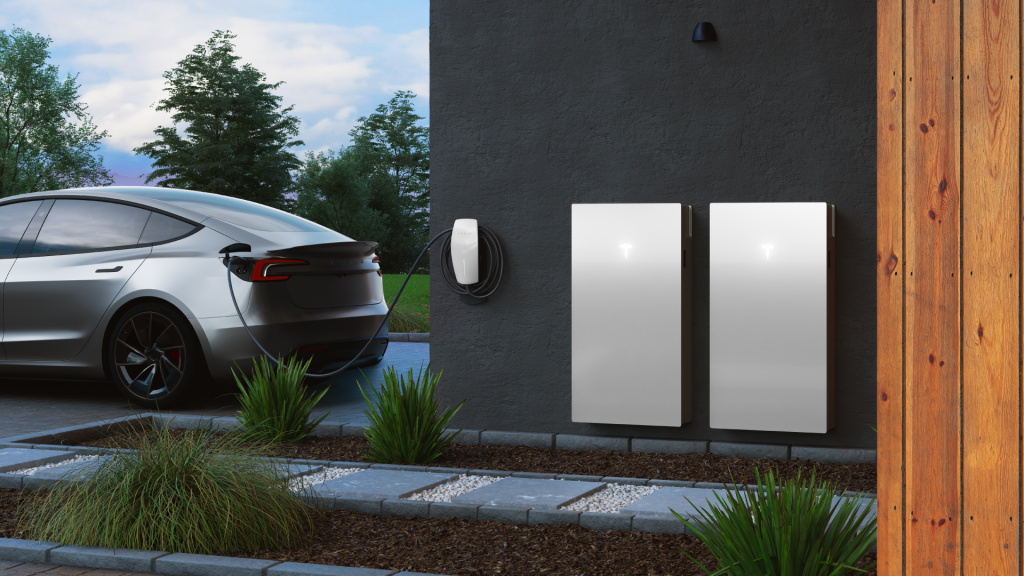
- A solar battery can help store unused daytime solar energy so it can be used during expensive evening peak periods.
- Battery savings depend on your household’s solar generation, evening energy use, battery size, tariff structure and feed-in rate.
- Reviewing your electricity plan, usage patterns and export data can help determine whether a battery will improve your solar return on investment.
Electricity from the grid doesn’t cost the same throughout the day. Instead, the time-of-use (TOU) tariff fluctuates based on demand.
If you’re in Sydney, you’ll likely pay 30-42c/kWh during peak hours compared to just 13-20c/kWh during the off-peak hours.
While the cost difference per kWh appears minimal, when you multiply it by your usage across a month, it becomes substantial.
Time-of-use tariff becomes even more important when you’ve invested in rooftop solar.
The timing of your generation and usage can significantly impact your energy bills and solar ROI. Adding a battery into the mix can bridge the gap between generation and consumption to reduce reliance on the grid during peak hours.
Let’s understand whether they’re truly helpful.
What is a Time-of-Use Tariff?
In a flat-rate or single-rate tariff, you pay a fixed price for buying every unit of electricity throughout the day. Whether it’s day or night, you’ll pay the same price.
But in a time-of-use tariff, the day is broken down into multiple windows and pricing for each kWh of power differs for these brackets:
- Peak: This is when your power rates are costliest. Typically, these rates apply during evenings.
- Off-Peak: During these hours, the electricity rates are the lowest, which is usually during late night and early morning.
- Shoulder: All the other daytime blocks can be classified as shoulder. The power rates are higher than off-peak but lower than peak rates.
That said, the exact time windows and fixed supply charges depend on your location, network, and retailer. So, it’s best to check your own plan to have a clear idea of your time-of-use tariff.
Why Peak Electricity Can Cost More
Energy retailers charge premium rates when the demand for electricity rises. During the late afternoon and evening hours, households tend to use more electricity as people return from work and run heavy-duty appliances like dishwashers and washing machines.
At the same time, solar production falls sharply in the late afternoon and stops post-sunset.
You’d already have sold your excess generation to the grid during off-peak hours. This forces you to rely more on expensive grid electricity during the evening hours, leading to higher electricity bills.
Where Solar Batteries Fit In
Your solar panels produce peak power when household energy demand is typically low in the afternoon. This is also when your time-of-use tariff rates are off-peak.
Without a way to store the excess power generation, you’ll have to sell it to the grid for low feed-in tariffs. But a few hours later, you’ll have to buy that same power back at higher rates.
Solar batteries help you escape this cycle.
They can store the excess power generated during the day so you can use it when peak demand kicks in during evening hours. The continued self-consumption in the evening helps you largely evade the peak rates and brings down your energy bills.
Are You Missing Out on Battery Savings?
Over 500,000 solar batteries have been installed in Australia, helping households cut power bills.
But do you need one?
A solar battery can help you improve the ROI of your solar system by storing excess power. But it’s not the best option by default.
The savings from using a solar battery will depend on:
- How much excess solar generation happens
- Battery capacity
- Energy usage patterns
- Tariff differences between peak tariff and feed-in rates
Solar batteries are beneficial if your system generates more power than your household consumes during the day. Also, if your energy usage is higher during the evening hours, you stand to benefit more from the addition of a battery.
Conversely, solar batteries don’t make sense if you use heavy-duty appliances during peak energy generation and little energy is left to be exported to the grid.
That’s why it’s best to assess your current usage patterns to understand whether buying a solar battery will improve your ROI or lead to increased costs.
We’ve put together a comprehensive checklist to help you determine whether a solar battery is right for you.
How to Assess Your Current Electricity Plan
Before purchasing a solar battery, start by analysing your current energy bills and electricity usage patterns.
First, check your electricity bills or retailer account to find whether you’re on a flat or time-of-use tariff (or any other structure). Accordingly, identify the windows for peak, off-peak, and shoulder periods.
Then, review your smart meter or interval data to find out when your usage peaks and when maximum power is exported.
Also, calculate the corresponding difference in your feed-in rates and the cost you spend on importing electricity.
The difference is the amount you could potentially save by storing and using all the power during the peak hours instead of exporting it.
And comparing these savings with the cost of your solar battery can help you find your solar battery ROI.
Smarter Ways to Use a Battery with Time-of-Use Pricing
Typically, your solar battery delivers the highest ROI when you use all the energy it stores when grid electricity is most expensive.
Here’s what you can do to optimise its ROI:
- Use stored energy during the peak tariff window.
- Shift heavy-duty loads to lower-cost or solar-generation periods.
- Use monitoring tools to find when your battery charges, discharges, and reaches reserve level to optimise its usage.
- Review system settings and tariff suitability with a qualified solar and battery provider as usage and plans change.
- Sell excess power stored in the battery to Virtual Power Plants (VPPs) to generate a handy passive income stream.
For all of the above to happen, you need to get your battery size right. Else, you might end up in a situation where your battery gets fully charged while the panels are still generating power.
Alternatively, you might not be able to charge it to its full capacity, leading to wasted energy storage space.
Make Your Tariff and Battery Work Together
Time-of-use tariffs may bring in high power rates during the late afternoon and evening hours, but you could turn that into an advantage by adding a battery to your existing solar setup.
Correctly sized battery can help you increase your independence from the grid. And if your solar setup generates enough excess power, the battery could power your house through the night too.
Without one, you might end up selling excess generation for low feed-in rates.
However, a solar battery may not be the best fit for each household. It all depends on your energy usage patterns, power generation, and tariff differences.
Speak with Think Renewable about whether a solar battery could help your household reduce peak-period grid use and get more value from the energy you generate.
PS: Solar battery rebates are scheduled to be reduced on January 1, 2027. So, book a free consultation today to take advantage of the lower battery costs.